POOL SURFACE STAINS
Stubborn Pool Stains Are a Sign, Not Just a Cosmetic Issue
Pool surface stains are often more than an eyesore. They can indicate underlying water chemistry problems, mineral deposits or surface degradation that will worsen over time if not properly addressed. BlueRevive helps pool owners identify the cause of staining and provides the right solution, from targeted treatment through to full resurfacing where the surface has deteriorated beyond what cleaning alone can fix.
POOL STAIN REMOVAL ADELAIDE
Tried Treating the Stains and They Keep Coming Back?
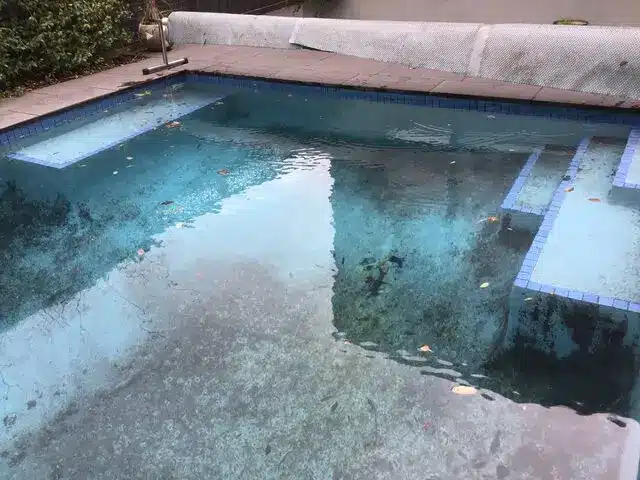
Persistent staining on a pool surface is one of the more frustrating problems pool owners face because the visible result makes the whole pool look neglected regardless of how well maintained everything else is. Many people across Adelaide spend time and money on stain removal products and acid washing treatments, only to find the stains return within a season or fail to lift at all. This is often because the staining is either deeply embedded in a porous or degraded surface, or the underlying cause such as mineral imbalance or deteriorating equipment has not been addressed. Treating the symptom without understanding what is driving it produces temporary results at best.

Pool Resurfacing Pricing Guide
Unsure what pool resurfacing costs? Our pricing guide will give you some approximate estimates and give you an indication of what the process entails to help you make informed decisions.
STAINS ON POOL PLASTER
Identifying the Type of Stain Is the First Step to Fixing It
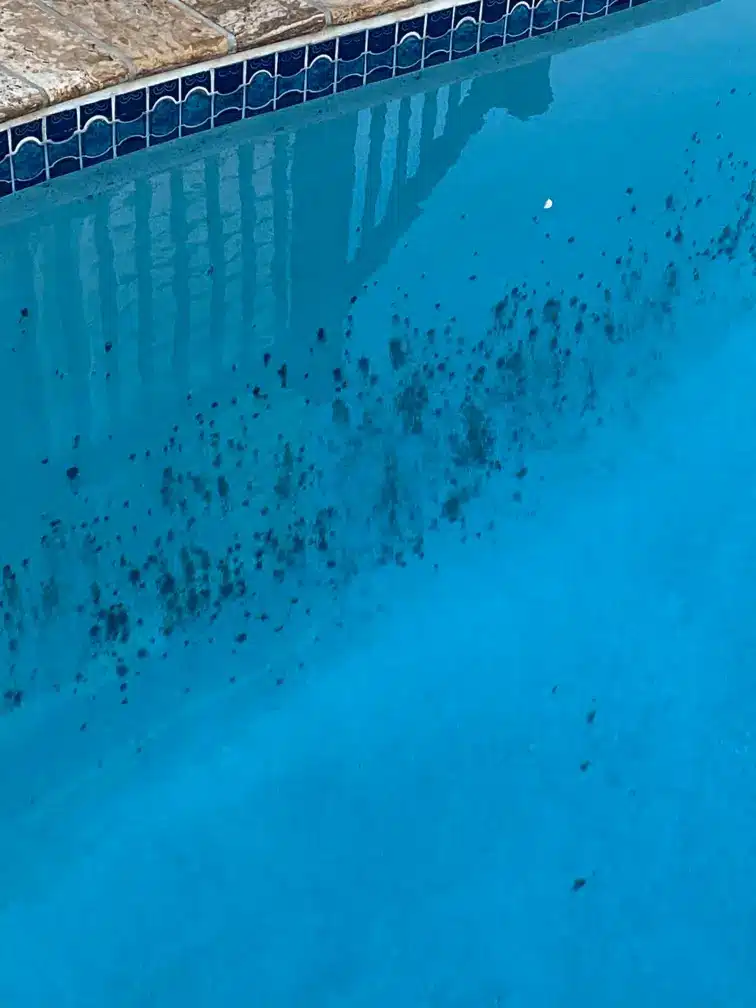
Not all pool stains are the same, and the correct treatment depends on what is causing them. Organic stains from leaves, algae and other plant matter typically respond to oxidisation and targeted chemical treatment. Metal-based stains from iron, copper or manganese require a different approach involving sequestering agents and careful water chemistry adjustment. Calcium and mineral deposits form hard, whitish scale that needs physical or chemical removal depending on its extent. BlueRevive assesses the nature of the staining and the condition of the surrounding surface before recommending a course of action, because the right treatment for one type of stain can make another type worse if applied without proper diagnosis.

Trusted By Pool Owners Who Wanted It Done Properly
Knows Their Craft
Needed to repaint my 45 year old fibreglass pool. I had heard about Marty and BlueRevive but did not realise they did pools. I am so glad I used them. It is great to find someone who knows their craft. Very professional in every aspect. Job well done. Thank you so much to everybody involved.
Denis McGillick
Valuable Pool Advice
Marty was approachable and gave us good advice when our pool suddenly emptied. His advice was especially valuable after we had changed the pavers around the pool, which impacted the fibreglass shell.
Elvira Noronha
Highly Recommended Service
Great service. Highly recommended. Thank you Marty and Donny.
Magosia
Amazing Work From The Team
Amazing work from Marty and the team. Absolutely stunning job.
Manan Tandon
Professional And Reliable
Great business to deal with. Professional and reliable.
Nick Kotenko
Friendly And Easy To Deal With
BlueRevive are friendly, easy to deal with and offer great advice and quality service. You can feel safe having them paint your property and I have no hesitation in recommending their services.
Michael B

BROWN STAINS IN POOL
Brown and Rust-Coloured Stains Often Point to Metal in the Water
Brown or reddish-brown staining on a pool surface is frequently caused by iron or manganese in the water, either from the source water supply, corroding equipment or metal fittings within the pool system. These stains can appear quickly after introducing fresh water and are often mistaken for dirt or algae. In areas of South Australia where bore water or tank water is used to top up pools, metal content is a particularly common contributor to surface discolouration. Treating these stains involves more than brushing or shocking the pool. It requires addressing the metal content in the water directly and, where the staining has penetrated a degraded surface, assessing whether the surface itself needs attention to prevent reoccurrence.
Why Pool Owners Choose BlueRevive With Confidence
Pool Specialists
We work exclusively on swimming pools, which means every system and process is designed for constant water exposure and real world use.
Proper Preparation
Long lasting results start with correct preparation. We take the time to do it right so your pool performs as it should.
Built For Longevity
Our resurfacing and restoration systems are selected for durability, safety, and ease of maintenance over time.
Clear Expectations
You are given realistic timelines, a clear scope of work, and honest advice from the start.
In House Teams
All work is completed by trained and supervised crews who understand our standards and your expectations.
Respectful Service
Whether it is a family home or a shared facility, we treat every site with care and professionalism.


BROWN STAINS IN POOL
Rust Stains Can Signal a Bigger Problem Beneath the Surface
Localised rust staining on a pool surface, particularly on concrete or plaster pools, is sometimes caused by steel reinforcement within the shell beginning to corrode. When reinforcing steel rusts, it expands and can cause cracking, spalling and staining that works its way through to the pool surface. This is a more serious situation than surface mineral staining and warrants a proper assessment to understand whether structural attention is needed alongside any surface treatment. BlueRevive takes a thorough approach to rust staining, looking beyond the visible marks to understand whether the cause is water chemistry, equipment related or structural, and providing you with a clear picture of what is actually happening before any work is recommended.


CALCIUM STAINS POOL SURFACE
Upfront Pricing So You Can Plan With Confidence
We provide a written quote covering the full scope of recommended treatment or resurfacing before any work is approved. You will know exactly what is involved, what it will cost and what outcome to expect before committing to anything. There are no surprise charges added once the work is underway and no pressure to proceed before you are ready. For pool owners who have already spent money on treatments that have not worked, this clear and straightforward approach makes it much easier to move forward knowing the investment is going towards a solution that is properly scoped and correctly executed.
FAQs About Pool Surface Stains
The colour, pattern and location of staining can help narrow down the likely cause. Brown or reddish marks often suggest iron or manganese, green or blue staining can indicate copper, and white or grey deposits are typically calcium or mineral scale. Organic staining from leaves and algae tends to appear in patches near areas where debris collects. BlueRevive assesses the staining type and condition of the surface during our inspection so the treatment approach is based on an accurate diagnosis.
Some stains can be treated in-water using targeted chemical applications or a pool stain eraser. This depends on the type and severity of the staining and the condition of the surface. Where staining is deep, widespread or the surface has deteriorated, draining and proper surface treatment or resurfacing is typically required for a thorough and lasting result. We advise on the most practical approach based on what your pool actually needs.
Correct water chemistry is one of the most important factors in preventing future staining, particularly for metal and mineral-based deposits. Keeping pH, alkalinity, calcium hardness and metal levels within recommended ranges significantly reduces the conditions that allow staining to develop. Where staining is driven by high metal content in source water, a sequestering agent used regularly as part of your maintenance routine can also help. We can advise on this as part of our assessment.
Brown staining is most commonly associated with iron or manganese, but it can also result from tannins leaching from organic material, certain algae types or deteriorating pool equipment. Determining the actual cause involves looking at the water source, equipment condition and staining pattern together. An accurate diagnosis prevents the frustration of treating for the wrong cause and getting no improvement.
Rust spots near pool walls or steps can sometimes indicate that steel reinforcement within the concrete shell is corroding beneath the surface. This warrants a closer assessment rather than simply treating the visible stain, because corroding reinforcement can cause progressive structural damage if left unaddressed. BlueRevive assesses whether the staining is surface related or indicative of something deeper and gives you an honest view of the situation.
Resurfacing becomes the most practical solution when staining is deeply embedded in a porous or degraded surface that no longer responds to chemical treatment, when the surface has deteriorated to the point where it is contributing to the staining problem, or when the pool has multiple surface issues alongside the staining. In these situations, treating the stain in isolation provides only a temporary result. Resurfacing addresses the staining and the underlying surface condition at the same time.
Take The First Step Toward A Pool You Can Enjoy Again
If your pool no longer looks or feels the way it should, the next step is simple. Speak with our team and find out how a proper restoration can change the way you use and enjoy your pool.